

Designer Handbag Alternatives to Dillard's
Table of Contents
- Designer Handbag Alternatives: Where to Shop Beyond Department Stores
- Luxury Retail Alternatives for Designer Handbags
- Pre-Owned Luxury Handbag Marketplaces
- How to Verify Authentic Designer Handbags
- Designer Handbag Shopping Tips for Value and Style
- Comparing Retail vs. Pre-Owned: Price-Per-Wear Analysis
- Finding Exclusive Colorways and Limited Editions
- Why Custom Sourcing Fills the Gap
Last Updated: August 21, 2026
Designer Handbag Alternatives: Where to Shop Beyond Department Stores
If Dillard's is your go-to for designer handbags, you're missing out on a broader marketplace offering better selection, competitive pricing, and styles traditional department stores don't carry. Designer handbag alternatives have transformed how shoppers source luxury accessories, from boutique platforms to authenticated pre-owned marketplaces.
Shoppers today expect choice, transparency, and the ability to compare options across multiple channels. This guide walks you through the best designer handbag alternatives, how to verify authenticity, and strategies for maximizing value whether buying new or pre-owned.
At Tools, Handbags, and More, we understand that finding the right designer handbag means balancing style, investment value, and access to exclusive pieces. Our custom sourcing service helps you locate specific items when standard retail channels fall short. Below, we'll show you exactly where to find authenticated designer handbags, how to evaluate them, and which platforms deliver the best combination of selection and reliability.
Luxury Retail Alternatives for Designer Handbags
Saks Fifth Avenue
Saks Fifth Avenue remains one of the most curated destinations for designer handbags, featuring Bottega Veneta, Prada, Saint Laurent, and emerging designers. What distinguishes Saks is the depth of seasonal curation and exclusive collections unavailable elsewhere. Their personal shopping service adds value for buyers seeking guidance, and the online-to-store integration lets you inspect pieces before purchase.
The tradeoff is straightforward: Saks prices reflect full retail. For shoppers valuing new-season pieces and guaranteed authenticity, Saks justifies the cost. For those seeking discounts or pre-owned options, other alternatives deliver better value.
Neiman Marcus
Neiman Marcus competes directly with Saks by offering comparable luxury brands with similar pricing and selection depth. Their distinction lies in more aggressive clearance discounting, making them a better choice if you're willing to wait for seasonal markdowns. Website organization by style (crossbody, tote, shoulder, clutch) makes narrowing searches easier.
The limitation: availability fluctuates based on inventory. Popular styles sell through quickly, and restock timing is unpredictable. Checking regularly or using their notification feature helps, but patience is required.
Bloomingdale's
Bloomingdale's occupies the middle ground between luxury-only retailers and mass-market department stores. Their handbag selection spans established luxury brands like Prada and Chloé alongside contemporary designers. Their partnership with Rebag surfaces pre-owned luxury options directly on their platform, offering both new and pre-owned in one place. Free shipping and returns, combined with buy-online-pickup-in-store options, add convenience.
The tradeoff is selection depth. While Bloomingdale's carries quality handbags, their designer roster is narrower than pure luxury retailers.
Mytheresa and FARFETCH
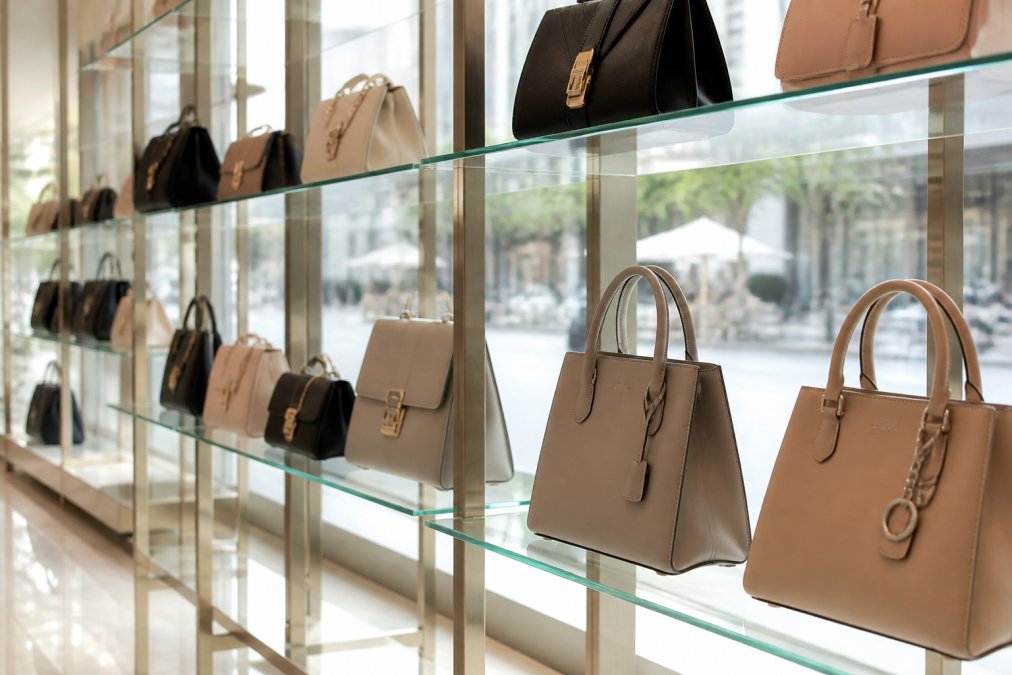
Mytheresa and FARFETCH represent curated online-only platforms aggregating inventory from boutiques worldwide. Mytheresa focuses on new-season designer handbags with editorial curation highlighting trending styles. FARFETCH connects shoppers to a global boutique network, offering both new and pre-owned options from multiple sellers.
Mytheresa's strength is trend forecasting and high-fashion positioning. FARFETCH's advantage is sheer selection through its global network, including regional exclusives and limited editions. Both platforms come with complexity: FARFETCH's multi-seller model means varying shipping times and return policies; Mytheresa's inventory is more controlled but more expensive.
Pre-Owned Luxury Handbag Marketplaces
Fashionphile
Fashionphile operates as an authenticated consignment marketplace where pre-owned designer handbags are verified by expert teams before listing. The platform specializes in luxury brands, Louis Vuitton, Chanel, Hermès, Gucci, and offers rare vintage pieces alongside recent seasons. Each item includes detailed condition descriptions, high-resolution photography, and authentication guarantees.
What separates Fashionphile is the rigor of authentication and transparent condition grading. The platform also offers layaway, financing, and a buy-back program for consigning pieces you no longer use. The limitation is pricing; Fashionphile sits at the premium end of pre-owned, reflecting authentication and curation overhead. For shoppers prioritizing certainty over maximum savings, Fashionphile delivers.
The RealReal
The RealReal positions itself as a luxury consignment platform emphasizing sustainability and ethical consumption. Like Fashionphile, items are authenticated by experts and graded by condition, carrying similar luxury brands at competitive pricing. Their sales and promotions are frequent, and they offer a loyalty program for repeat buyers.
The practical difference between The RealReal and Fashionphile is minimal from a shopping perspective. Both authenticate rigorously and offer similar brands and price ranges. Your choice comes down to interface preference and which platform runs sales more frequently.
How to Verify Authentic Designer Handbags
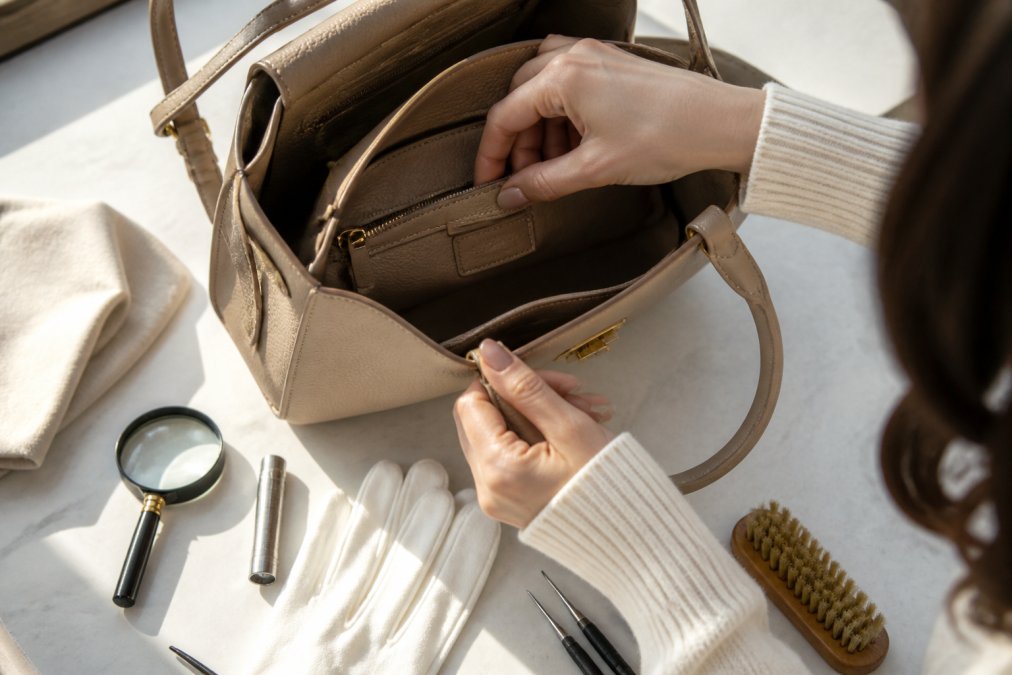
Authenticity verification separates legitimate designer handbag shopping from counterfeit traps. Start with hardware examination. Authentic designer handbags feature substantial hardware matching brand specifications. Zippers should glide smoothly, clasps should align perfectly. Counterfeit hardware often feels lightweight with poor fit or alignment.
Interior labels tell a story. Authentic designer handbags display labels with precise font, spacing, and material quality. Serial numbers should be legible and consistent with production year. Counterfeiters often struggle with label precision.
Leather quality separates authentic luxury from fakes. Genuine leather feels supple and develops patina over time, with a distinct leather smell. Counterfeit leather often feels uniform and plastic-like. Examine color consistency; authentic dyed leather shows slight natural variation.
Stitching patterns are brand-specific. Louis Vuitton uses consistent stitch spacing and depth. Chanel features precise, even stitching. Hermès displays meticulous craftsmanship with perfect alignment. Study reference images from official brand sources; counterfeiters often miss subtle variations.
Weight and proportions matter. Authentic designer handbags have specific weight profiles based on material and construction. Proportions should match brand specifications exactly, with logos positioned precisely.
| Authentication Marker | What to Check | Red Flag |
|---|---|---|
| Hardware | Weight, alignment, smooth operation | Lightweight, misaligned, sticks |
| Stitching | Consistency, precision, even spacing | Uneven, loose threads, gaps |
| Interior Label | Font precision, spacing, serial number clarity | Font variations, misalignment, illegible numbers |
| Leather | Supple feel, natural patina, distinct smell | Plastic feel, uniform coloring, chemical smell |
| Weight | Matches authentic specs | Too light or too heavy |
| Proportions | Logo placement, dimensions match brand | Random positioning, incorrect dimensions |
Designer Handbag Shopping Tips for Value and Style
Shopping strategically means understanding where value concentrates and aligning purchases with actual wardrobe needs. Start with versatility analysis. Handbags delivering the highest price-per-wear are those you actually use. A neutral-toned tote works across seasons and occasions. Before purchasing, ask whether you'd carry the bag regularly or only occasionally.
Seasonal timing affects pricing significantly. Designer handbags are cheaper during clearance periods, typically January and August. If you're flexible on timing, shopping off-season saves 20-40% (bls.gov). If you need a specific bag now, waiting isn't practical.
Color selection influences resale value. Neutral tones, black, cognac, cream, taupe, maintain value better than seasonal colors. A classic black Prada bag holds value better than a limited-edition pink version. If viewing handbags as investments, neutral colorways provide better downside protection.
Brand heritage matters for investment potential. Established luxury houses, Louis Vuitton, Chanel, Hermès, Prada, maintain value better than contemporary designers. A Chanel tote from five years ago can command 60-70% of its original retail price (peer-reviewed research). If investment value influences your purchase, stick with heritage brands.
Mix new and pre-owned strategically. Buying new works for styles you're uncertain about. Pre-owned makes sense for established favorites you've researched extensively.
Comparing Retail vs. Pre-Owned: Price-Per-Wear Analysis
Price-per-wear analysis reveals which handbags deliver genuine value. Calculate price-per-wear by dividing total cost by expected usage frequency. A $2,000 handbag used 200 times per year costs $10 per wear. The same bag used 50 times per year costs $40 per wear.
Pre-owned handbags shift this equation. A $1,200 pre-owned Chanel bag used 200 times per year costs $6 per wear, better value than the $2,000 new version. If you then resell for $800, your net cost is $400, reducing price-per-wear to $2.
New purchases make sense when confident about long-term use or when specific colorways or pristine condition are essential. Pre-owned purchases make sense when experimenting with styles or seeking rare pieces unavailable at retail. The hybrid approach maximizes value: buy pre-owned for experimental purchases, buy new for signature pieces you'll use daily for years.
Finding Exclusive Colorways and Limited Editions
Luxury handbag exclusivity creates desirability and investment potential. Seasonal colorways appear for short windows, typically 4-6 months (the FTC). Once the season ends, resale prices for seasonal colors often exceed retail by 20-30% as demand concentrates among those who missed the window.
Regional exclusivity creates another layer. Certain colorways release only in specific markets. FARFETCH's global boutique network and Mytheresa's international sourcing provide access to regional exclusives.
Brand collaboration editions command premium pricing and high resale value. These limited releases often sell out within days. Secondary markets like Fashionphile and The RealReal then list sold-out pieces at inflated prices.
Vintage and discontinued styles develop cult followings. A discontinued Chanel style from ten years ago may be worth more pre-owned than at retail. Pre-owned marketplaces specialize in these pieces.
Tracking exclusivity requires attention. Follow brand social media, subscribe to retailer newsletters, and monitor resale platforms to see which pieces appreciate fastest.
Why Custom Sourcing Fills the Gap
Even with expanded designer handbag alternatives, gaps remain. Specific styles sell out quickly. Regional exclusives don't reach all markets. Vintage pieces disappear into private collections. Custom sourcing services bridge these gaps by actively hunting for items beyond standard retail channels.
Tools, Handbags, and More offers personalized assistance for sourcing specific designer handbags not currently in stock. Rather than settling for "close enough," custom sourcing finds exactly what you're looking for, particular colorway, specific condition level, or discontinued style. This service matters most when you've identified a target bag and standard shopping channels don't deliver.
The custom sourcing process works through direct communication with specialists who understand the luxury handbag market. You describe what you're seeking, and the team searches across multiple channels, contacting boutiques directly, monitoring resale platforms, or accessing inventory not yet listed publicly. This approach addresses the real frustration that more choices don't always mean finding what you actually want.
The service also matters for collectors seeking rare pieces. Vintage handbags, limited editions, and discontinued styles require specialized knowledge to source reliably. Specialists understand which marketplaces carry specific categories, which sellers are trustworthy, and how to evaluate condition and authenticity across multiple platforms.
The market for designer handbags has fragmented beyond traditional department stores, creating both opportunity and complexity. Luxury retail alternatives like Saks, Neiman Marcus, and Mytheresa offer curated new collections. Pre-owned marketplaces like Fashionphile and The RealReal deliver authenticated pieces at reduced prices. Custom sourcing services fill remaining gaps when standard retail channels fall short. Tools, Handbags, and More combines access to diverse product categories with personalized sourcing assistance, helping you find specific designer handbags whether they're in current stock or require active hunting. Get started with Tools, Handbags, and More and discover how custom sourcing transforms your designer handbag shopping experience.
Frequently Asked Questions
What are the best designer handbag alternatives to shopping at Dillard's?
Luxury retailers like Saks Fifth Avenue, Neiman Marcus, and Bloomingdale's offer curated designer handbag collections with exclusive items and regular sales. For authentic pre-owned options at lower prices, Fashionphile and The RealReal provide authenticated bags from top luxury brands. Online platforms like FARFETCH and Mytheresa specialize in designer handbags from international boutiques. Each alternative offers different strengths: retail stores provide new season trends, while pre-owned marketplaces deliver significant savings on authentic luxury goods.
How can I verify the authenticity of a designer handbag when buying from a third party?
Examine the stitching for precision and consistency, check hardware weight and engraving quality, inspect the interior label and serial numbers, and verify the leather texture and smell. Authentic luxury handbags feature flawless craftsmanship with even stitching and durable hardware. Pre-owned marketplaces like Fashionphile and The RealReal employ expert authenticators who inspect every item and provide detailed condition reports. Request high-resolution photos of the bag's interior, label, and hardware before purchasing from individual sellers or smaller platforms.
Are pre-owned luxury handbags from consignment shops a good value?
Yes, pre-owned luxury handbags from reputable consignment marketplaces offer excellent value. You can purchase authenticated designer bags at 30-70% below retail prices, making investment-quality pieces more accessible. Platforms like Fashionphile and The RealReal guarantee authenticity through expert verification, so you avoid counterfeits. Pre-owned bags also offer access to sold-out styles, vintage collections, and rare colorways unavailable at retail. However, condition varies by item, so review detailed product descriptions and photos carefully before buying.
What should I look for when shopping for designer handbags to ensure quality and longevity?
Prioritize soft leather quality, durable hardware, and precise stitching as indicators of craftsmanship. Choose timeless designs over trend-driven styles for longer wardrobe relevance and better resale value. Consider the handbag's versatility for different occasions and outfits. Assess embellishments and hardware durability, as these affect long-term wear. Premium materials like full-grain leather and high-quality hardware last longer than budget alternatives. Factor in maintenance requirements and research the brand's reputation for quality. Crossbody and tote styles offer greater style versatility than specialized designs.
How do I find exclusive colorways that aren't available at major department stores?
Check specialty luxury retailers like FARFETCH and Mytheresa, which connect to boutiques worldwide and often stock regional exclusives. Pre-owned marketplaces like Fashionphile regularly list discontinued colorways and limited releases. Follow brand social media for exclusive releases and seasonal collections. Contact luxury retailers directly about upcoming drops or special orders. Online platforms frequently update inventory faster than traditional department stores, giving you access to colorway exclusivity. Vintage and consignment shops also carry rare colorways from past seasons that may no longer be available through retail channels.
This article was written using GrandRanker