

How to Find Hard to Find Tools: 7 Proven Strategies
Table of Contents
- Why Finding Hard to Find Tools Matters
- Search Online Marketplaces Strategically
- Best Websites for Vintage Woodworking Tools
- Tap Into Community Resources and Collector Networks
- Use Custom Sourcing Services for Rare Products
- Where to Buy Limited Edition Tumblers and Collectibles
- Verify Authenticity and Quality Before You Buy
- Master Digital Search Techniques for Rare Tools
Last Updated: August 17, 2026
Why Finding Hard to Find Tools Matters
Sourcing the right tool for a specific job shouldn't feel like a treasure hunt. Yet when you need a discontinued woodworking chisel, a rare vintage hand plane, or a specialized power tool out of production for years, traditional retail channels leave you empty-handed. Construction workers need discontinued parts, collectors search for specific models, and DIY enthusiasts often hit dead ends when big-box stores can't help.
This guide from Tools, Handbags, and More covers the most effective strategies for locating tools that seem impossible to find. The real advantage goes to those who know where to look. Online marketplaces, community networks, and specialized sourcing services have transformed what was once purely local knowledge into accessible, systematic search strategies.
Search Online Marketplaces Strategically
Finding hard to find tools online requires more than a basic search. The difference between success and failure often comes down to knowing which platforms specialize in what you're looking for and how to navigate each one effectively.
eBay and Auction Platforms
eBay remains one of the most reliable sources for locating tools across every category. Millions of listings mean rare items surface regularly if you know how to search. Use exact model numbers, brand names, and specific tool types. Set up saved searches for items you're tracking, and eBay will alert you when new listings match your criteria. Many sellers list tools with incomplete descriptions or misspelled names, so try variations of what you're looking for.
Auction-style bidding can work in your favor if you're patient. Less popular listings often close at lower prices because fewer people notice them. Set your maximum bid and let the auction run. Prioritize vendors with strong ratings and detailed condition descriptions, as quality varies tremendously depending on the seller.
eBay's buyer protection policies help protect your purchase. Factor shipping costs into your bid calculations, especially for heavy tools. Many sellers offer local pickup options that eliminate shipping entirely, particularly valuable for bulky items.
Facebook Marketplace and Local Options
Facebook Marketplace has become unexpectedly effective for finding tools locally. The platform connects you directly with sellers in your area, eliminating shipping costs and allowing you to inspect items before purchase. This is especially valuable for heavy tools where shipping would be prohibitively expensive.
Search Facebook Marketplace using specific tool names and brands, then filter by distance from your location. Message sellers with questions about condition, original packaging, and whether accessories are included. Many DIYers list quality tools at reasonable prices because they're clearing space or upgrading equipment.
The trade-off is that local inventory is limited compared to national platforms. You might need to expand your search radius or check frequently as new listings appear. Facebook Marketplace offers less formal buyer protection than dedicated e-commerce sites, so exercise caution with unfamiliar sellers and meet in safe, public locations.
Best Websites for Vintage Woodworking Tools
Specialized websites dedicated to specific tool categories offer curated inventory and expert knowledge that general marketplaces can't match.
LiveAuctioneers connects you to over 5,000 auction houses and dealers, many specializing in antique and vintage tools. This platform is particularly strong for finding rare woodworking hand tools and discontinued machinery. Real-time bidding means you're acquiring from reputable auction houses with established authentication standards.
ToolSwap specializes in professional-grade tools from brands like Snap-On, Mac, and Matco. While primarily focused on modern professional tools, the platform frequently lists used and discontinued items. If you're seeking specific professional-grade equipment, ToolSwap's curated inventory makes it worth checking regularly.
ToolPartsPro serves a crucial need, sourcing replacement and repair parts for tools you already own. If you have a vintage power tool needing restoration, finding original OEM parts here extends the tool's life and maintains authenticity. The site covers major brands like Makita, DeWalt, Bosch, and Milwaukee.
The advantage of specialized websites is expertise. Sellers understand tool history, manufacturing standards, and authenticity markers. They're more likely to provide accurate descriptions and detailed condition reports. However, selection is narrower than general marketplaces, and prices often reflect the specialized nature of inventory.
Tool identification resources and guides can help you verify what you're looking at. An AI-powered tool identifier lets you photograph unknown tools and receive information on brand, model, usage, and safety considerations.
Tap Into Community Resources and Collector Networks
Some of the best sourcing happens within communities of people who share your passion for tools. Collector networks provide access to inventory that never reaches public marketplaces.
The Mid-West Tool Collectors Association (MWTCA) is a non-profit organization dedicated to studying and preserving early tools. Membership opens access to a community of serious collectors who actively buy, sell, and trade rare items. The organization publishes newsletters, hosts meetings, and maintains connections among members where hard to find tools change hands regularly.
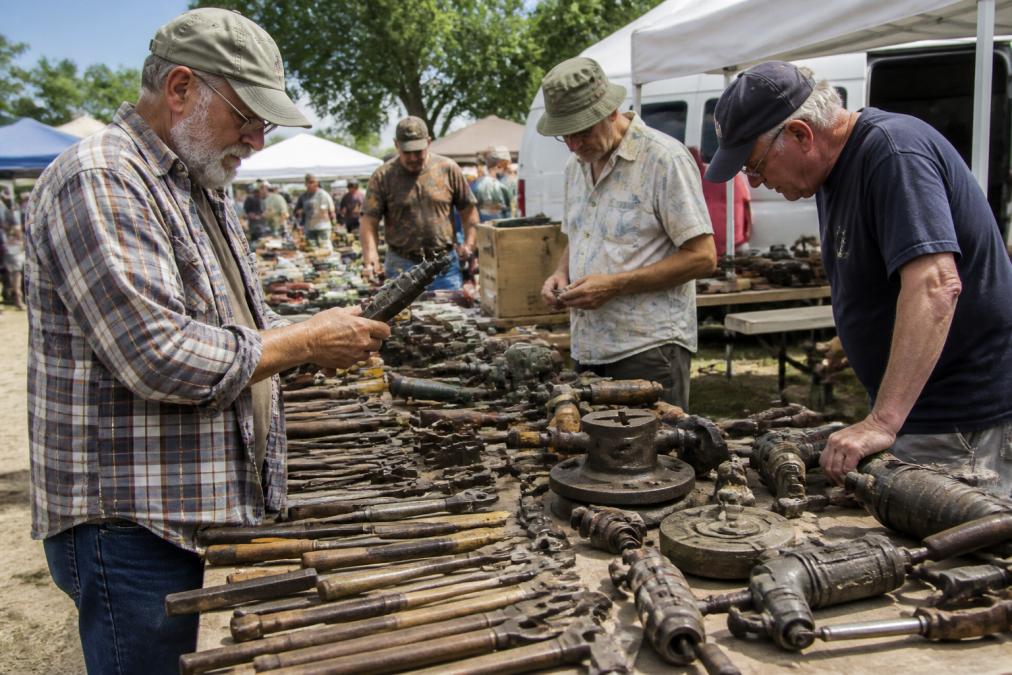
Online forums and social media groups dedicated to specific tool types create informal marketplaces. Woodworking forums, vintage tool enthusiast groups, and restoration communities often have buy/sell/trade sections where members post hard to find items. These communities self-police quality and authenticity, so you're generally dealing with knowledgeable people.
Estate sales and auctions in your area frequently include tool collections. Local auction houses often list upcoming sales online. Flea markets and tool-specific swap meets remain underrated sourcing channels, letting you see items in person and build relationships with dealers.
Use Custom Sourcing Services for Rare Products
When standard channels fail, specialized sourcing services step in. These services exist specifically to locate hard to find tools and equipment that aren't readily available through conventional retail.
Tools, Handbags, and More offers a custom sourcing service that helps you find specific items not currently in stock. Rather than accepting "unavailable," their team actively searches for the tools you need across multiple channels. The advantage is expertise and time savings. Instead of spending weeks searching, you describe what you need and let specialists handle the legwork.
Where to Buy Limited Edition Tumblers and Collectibles
The same sourcing principles that apply to tools extend to other collectible categories like limited-edition Stanley tumblers. Online auction platforms like LiveAuctioneers and eBay are primary sources for limited-edition collectibles. Set up saved searches and check regularly, as limited editions move quickly once listed.
Specialized collector communities exist for virtually every collectible category. Stanley tumbler enthusiasts maintain forums and social media groups where members buy, sell, and trade rare editions. These communities often have strict authentication standards and established pricing based on rarity and condition.
The principle behind finding limited-edition collectibles mirrors finding hard to find tools: know where collectors gather, understand authentication markers, and check multiple channels consistently.
Verify Authenticity and Quality Before You Buy
Sourcing hard to find tools successfully means nothing if you acquire counterfeits or damaged items. Authentication and quality verification protect your investment.
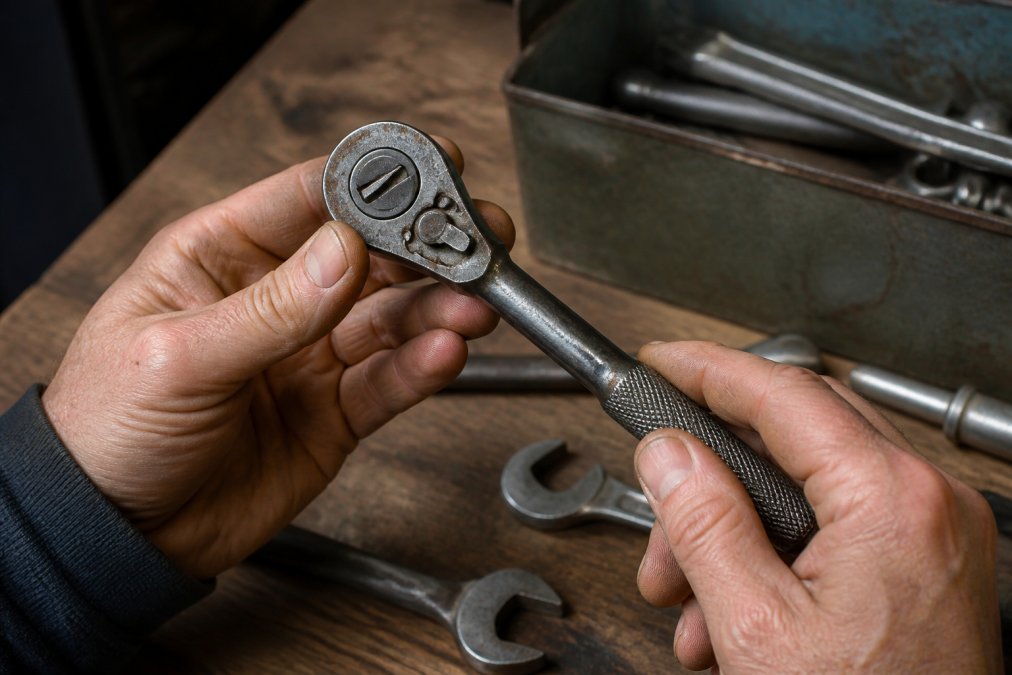
For vintage tools, authenticity markers include manufacturer stamps, serial numbers, patent dates, and construction methods. Research the specific tool you're seeking and learn what original versions looked like. Counterfeits often have subtle differences in weight, finish, or construction that experienced collectors spot immediately.
Ask sellers for high-resolution photos of serial numbers, patent markings, and identifying features. Request images showing the entire tool from multiple angles, including close-ups of wear patterns. Authentic vintage tools show age-appropriate wear, surface patina, or minor rust that matches the tool's age.
Condition assessment requires honest evaluation. Ask specific questions: Does it function? Are parts original? Is it missing components? Has it been refinished or restored? Understanding condition directly impacts value and usability.
Research fair pricing before committing to purchases. Check completed listings on auction sites to see what similar items actually sold for, not asking prices. This gives you realistic market data for negotiating or deciding whether a price is reasonable.
Build relationships with reputable sellers. If you find a dealer who consistently provides accurate descriptions and fair pricing, prioritize buying from them. Reputation matters in sourcing communities.
Master Digital Search Techniques for Rare Tools
Finding hard to find tools online depends heavily on search strategy. Standard keyword searches often miss items because sellers use different terminology or misspell descriptions.
Use multiple search variations for the same tool. A vintage hand plane might be listed as "woodworking plane," "vintage hand plane," "old plane," or with the manufacturer's name. Try different combinations and variations, including model numbers if you know them.
Boolean search operators improve results on platforms that support them. Use quotation marks for exact phrases ("vintage hand plane"), minus signs to exclude terms (vintage -electric), and asterisks as wildcards (vintage *plane).
Set up saved searches and alerts on platforms where you shop regularly. Most marketplaces let you save search parameters and receive notifications when new listings match. This passive approach means you're automatically notified when hard to find tools appear.
Reverse image search can help locate tools you've seen but can't identify. If you find a photo of a tool you want, upload it to Google Images to find where else it's listed or discussed.
Explore completed listings and sold items. Most platforms let you filter to show only completed auctions or sold items. Studying these reveals what tools typically sell for and what descriptions attract buyers.
Join online communities and forums related to your tool interests. Active members often share sourcing tips, alert others to upcoming sales, and provide authentication advice.
Finding hard to find tools requires patience, strategy, and knowing where collectors and professionals actually source rare equipment. The channels and techniques covered here work because they connect you to people and platforms where these tools actually exist. Tools, Handbags, and More understands that sometimes the items you need aren't sitting on standard retail shelves. Our custom sourcing service helps you track down specific tools, tumblers, and collectibles even when they're not currently in stock. Whether you're restoring vintage equipment or completing a specialized project, personalized sourcing assistance transforms the hunt from frustrating to achievable.
Frequently Asked Questions
What is the best way to search for hard to find tools on online marketplaces?
Use specific search terms including the tool's brand name, model number, and year of manufacture. Search for both the exact model and variations (e.g., 'vintage Stanley hand plane' or 'discontinued DeWalt model XYZ'). Set up saved searches on eBay and Facebook Marketplace to get alerts when matching items are listed. Check auction sites like LiveAuctioneers weekly, as inventory changes constantly. Include terms like 'parts only' or 'as-is' in your searches to find tools sellers may have overlooked. Many hard to find tools are listed under generic descriptions, so browse categories rather than relying on search alone.
How can custom sourcing services help me find specific tool models?
Custom sourcing services like those offered by Tools, Handbags, and More actively hunt for items not currently in inventory, including discontinued tools, specialty equipment, and rare collectibles. These services leverage supplier networks, auction databases, and community connections to locate your specific request. You provide the tool details, brand, model number, specifications, and the service contacts multiple sourcing channels simultaneously. This saves you weeks of searching across fragmented marketplaces. Services typically charge based on complexity and availability, so contact them directly for pricing and timelines on your specific tool request.
Are there professional communities where I can find rare and vintage tools?
Yes. The Mid-West Tool Collectors Association (MWTCA) connects collectors and enthusiasts dedicated to preserving early tools and vintage equipment. Members buy, sell, and trade rare tools through the community network and access expert knowledge on tool history and restoration. Online forums dedicated to specific trades (woodworking, mechanics, construction) also host active trading communities. Facebook groups focused on tool collecting, estate sales, and vintage equipment attract sellers and buyers constantly. Joining these communities gives you access to tools that never reach public marketplaces and insider knowledge on where discontinued models are sourced.
How do I verify a tool is authentic and in good condition before purchasing online?
Request detailed photos showing the serial number, model markings, any damage, and the tool in use if possible. Ask the seller about the tool's history, how long they owned it, whether it works, and any repairs made. Check the manufacturer's catalog or online database to confirm the model number matches the claimed year and specifications. Use AI-powered tools like Tool Identifier to verify unknown tools from photos. For high-value vintage tools, ask for a video demonstrating the tool in operation. Always buy from sellers with strong ratings and buyer protection policies. If buying at auction, inspect items in person when possible or request a pre-auction inspection report.
This article was written using GrandRanker