

How to Start a Zero Waste Kitchen on a Budget
Table of Contents
- The Hidden Cost of Zero Waste (and How to Avoid It)
- Affordable Zero Waste Swaps That Pay for Themselves
- How to Reduce Food Waste at Home Without Extra Spending
- Bulk Shopping Tips for Beginners: Save Money and Packaging
- Set Up a Zero Waste Kitchen Inventory System
- Composting Food Scraps in Small Spaces
- Tools and Equipment That Make a Zero Waste Kitchen Easier
- Conclusion
- Frequently Asked Questions
Last Updated: September 27, 2026
The Hidden Cost of Zero Waste (and How to Avoid It)
Starting a zero waste kitchen on a budget sounds like a contradiction. Zero waste swaps often carry a higher price tag upfront, and that's the trap most beginners fall into. This guide from Tools, Handbags, and More shows you how to build a low-waste kitchen without overspending.
A zero waste kitchen is a kitchen designed to send as little as possible to landfill. It relies on reusable items, smart food storage, and buying in bulk instead of single-use packaging.
The hidden cost isn't the products. It's buying them all at once. A full set of glass containers, cloth towels, and compost bins can run into the hundreds. The fix is to swap one thing at a time.
- Start with what you already own
- Buy only when an item runs out
- Track what you throw away each week
That last step matters most. A quick waste audit shows you where your money and food are actually going.
Affordable Zero Waste Swaps That Pay for Themselves
The cheapest zero waste swaps are the ones that replace something you already buy. Cloth towels replace paper towels. Reusable water bottles replace cases of plastic bottles. These pay you back over time.
Start With What You Already Own
Before buying anything, look at your cabinets. Most kitchens already have glass jars, cotton rags, and sturdy containers. Wash them out and put them to work. This costs nothing and skips the beginner shopping spree.
Budget-Friendly DIY Cleaning Solutions
You don't need a shelf of specialty cleaners. A mix of white vinegar, baking soda, and water handles most kitchen messes. Store your mix in a reused spray bottle. This cuts packaging waste and saves money on every refill.
How to Reduce Food Waste at Home Without Extra Spending
Reducing food waste at home is the single fastest way to cut your grocery bill. Most households toss food simply because it gets forgotten. Fix the storage and the waste drops.
Portion Control and Meal Prep Basics
Cook only what you'll eat in a few days. Plan meals around what's already in the fridge, not what you wish you had. A simple weekly meal prep session uses up odds and ends before they spoil.
Storing Food to Extend Shelf Life
Where you store food changes how long it lasts. Keep these basics in mind:
- Herbs stay fresh longer with stems in a glass of water
- Onions and potatoes last longer stored apart
- Bread keeps best in a cloth bag, not plastic
- Berries last longer washed only right before eating
A quick pantry inventory before shopping stops you from buying duplicates that rot in the back of the shelf.
Bulk Shopping Tips for Beginners: Save Money and Packaging
Bulk shopping tips for beginners come down to one rule: buy only what you'll use before it spoils. Bulk bins and large-format stores cut packaging, but only if the food gets eaten.
Bring your own jars and bags where stores allow it. Weigh them first so the cashier can subtract the container weight. Start with dry goods like rice, oats, and beans, which keep for months.
Set Up a Zero Waste Kitchen Inventory System
An inventory system is what keeps a zero waste kitchen running. Without one, food hides, spoils, and gets rebought. The system can be as simple as a whiteboard or a phone note, but it has to be specific enough that you actually use it.
Track Three Zones, Not One
Most people track the fridge and forget the freezer and pantry. Waste hides in all three. Split your tracking into:
- Fridge: the short-life zone. Check it every two to three days.
- Freezer: the long-life zone. Check it monthly so you rotate older items forward.
- Pantry: the dry-goods zone. Check it before every shopping trip.
Write down what goes in and cross it off when it is used. A whiteboard on the fridge door works because it is in your line of sight. A phone note works because it is always with you. Pick one and stick to it.
EVRYEALTH 6-Piece Marble Coated Knife →
Know Your Shelf Lives
The inventory only saves money if you know how long things actually last. These are common working ranges, not guarantees, storage conditions and packaging change them:
- Leafy greens: three to five days in the fridge, longer if wrapped in a damp cloth.
- Root vegetables: two to four weeks in a cool, dark pantry.
- Cooked leftovers: three to four days in the fridge.
- Frozen meat: several months in the freezer at zero degrees Fahrenheit.
- Dry rice, oats, and beans: six months to a year in airtight containers.
When you write an item on the board, add the date it went in. That single habit turns a list into a countdown.
The First-In, First-Out Rule
Restaurant kitchens run on FIFO: first in, first out. When you bring home new groceries, move the older items to the front and put the new ones behind them. This one rule prevents the classic pattern where the back of the shelf becomes a graveyard of forgotten food. Apply it to the fridge, the freezer, and the pantry.
Run a Weekly Five-Minute Audit
Once a week, before you shop, walk through all three zones with your list. Ask three questions:
- What needs to be eaten in the next two days?
- What did I buy last week that is still untouched?
- What can I move to the freezer before it turns?
That third question is the money-saver. Freezing is the pause button, it stops the clock on food that is about to spoil and lets you cook it later instead of tossing it.
The ROI of the Habit
The point of the system is not organization for its own sake. It is that every duplicate purchase you avoid and every item you rescue from spoilage is money that stays in your pocket. A household that throws away a quarter of its food is, in effect, buying groceries to put in the trash. The inventory is how you stop paying for food twice.
Composting Food Scraps in Small Spaces
Composting works even without a backyard. A countertop bin with a lid holds scraps for a few days. A sealed tumbler or worm bin handles the rest indoors.
Keep these out of the compost pile:
- Meat and dairy, which attract pests
- Oily foods and grease
- Treated or glossy paper
Compost returns nutrients to the soil and shrinks what you send to the landfill. Apartment dwellers can often drop scraps at a local community garden.
Tools and Equipment That Make a Zero Waste Kitchen Easier
The right tools cut waste without costing a fortune. You don't need much. A sharp knife, solid storage containers, and a reusable bottle cover most of it.
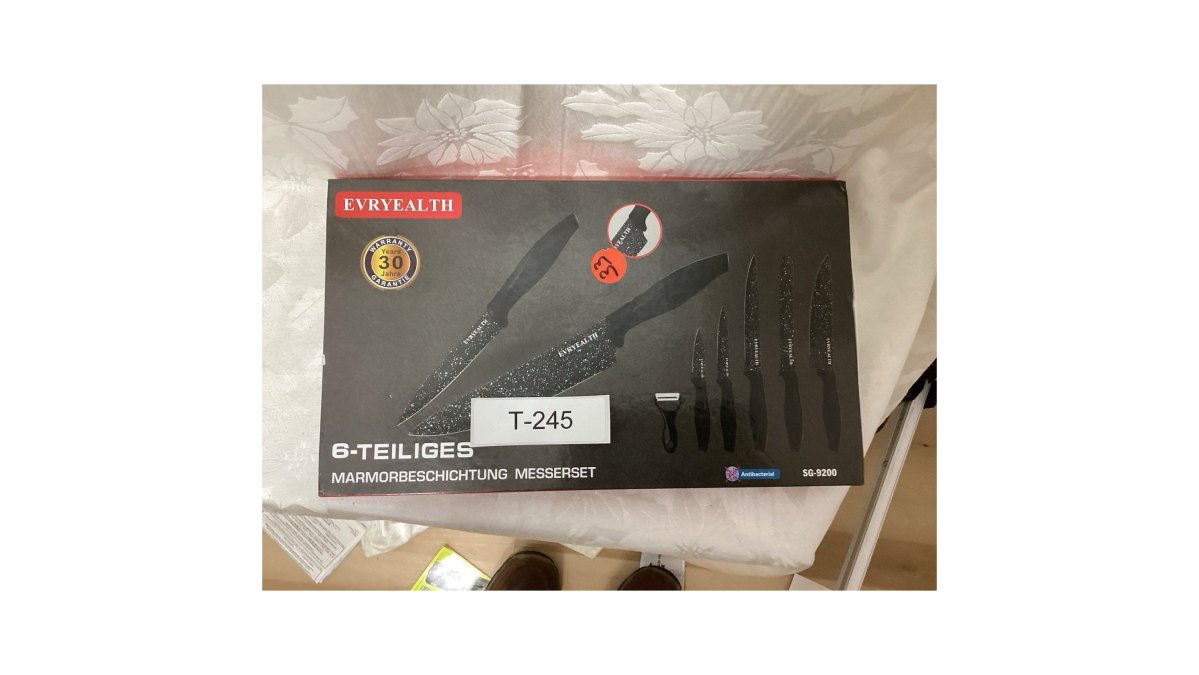
A good knife reduces food waste because clean cuts mean less bruising and spoilage.

| Swap | Replaces | Upfront Cost | Pays Back By |
|---|---|---|---|
| Cloth towels | Paper towels | Low | Few months |
| Glass jars | Plastic containers | Low | Reuse for years |
| Reusable tumbler | Single-use cups | $45.00 | Daily use |
| DIY cleaners | Bottled sprays | Very low | Every refill |
The tools that matter most are the ones you'll use daily. A knife you sharpen and a bottle you refill beat a cabinet full of gadgets you forget.
Conclusion
The hardest part of a zero waste kitchen isn't the swaps. It's starting without overspending on things you don't need yet. Pick one habit, run it for a month, then add the next.
Frequently Asked Questions
What is the first thing to do to start a zero waste kitchen on a budget?
Begin with a waste audit. For one week, track everything you throw away in the kitchen, including food scraps, packaging, and spoiled groceries. This reveals your biggest waste sources so you can tackle them first. Most households find food waste and single-use plastics are the top two categories. Once you know what you're throwing out, you can make targeted changes like meal planning, better storage, or switching to reusable items. This costs nothing and gives you a clear starting point.
What are the best affordable zero waste swaps for a kitchen?
Swap paper towels for cloth rags cut from old t-shirts or towels, plastic wrap for beeswax wraps or reusable containers, and single-use water bottles for a stainless steel tumbler like the Stanley 40oz Quencher. For cleaning, mix white vinegar and water in a spray bottle instead of buying specialty products. These swaps cost little upfront and save money over time. A quality knife set, such as the EVRYEALTH 6-Piece Marble Coated Knife Set at $48, also reduces reliance on disposable cutlery and improves meal prep efficiency.
Is it actually cheaper to live a zero waste lifestyle?
Yes, once you get past the initial setup. Reusable items like cloth towels, glass containers, and a good knife set replace ongoing purchases of paper towels, plastic bags, and flimsy utensils. Bulk shopping reduces packaging and often lowers unit prices. Meal planning and proper food storage cut grocery bills by preventing spoilage. The hidden costs come from buying unnecessary zero waste gadgets or specialty products. Stick to basics and use what you already own to keep it budget-friendly.
How do I manage composting in a small apartment?
Use a countertop compost bin with a charcoal filter to control odors. Collect fruit and vegetable scraps, coffee grounds, and eggshells. If you don't have outdoor space, try vermicomposting with a worm bin, which fits under a sink and produces rich compost for houseplants. Many cities also offer curbside organics collection or community compost drop-offs. Avoid meat, dairy, and oily foods in home bins to prevent pests and smells. This diverts waste from landfills and creates free fertilizer.