

Investing in Rare Collectible Drinkware: 2026 Guide
Table of Contents
- Why Rare Collectible Drinkware Is Drawing Investors in 2026
- How to Identify Vintage Glassware: Periods, Styles, and Marks
- Collectible Glassware Value: What Actually Drives Price
- Condition Grading, Damage Detection, and Restoration Risks
- Selling Vintage Glassware: Liquidity, Fees, and Realistic Returns
- Storage, Insurance, and Safe Handling for a Collection
- Building a Focused Buying Strategy and Budget
- Conclusion: Treating Rare Drinkware as a Collection, Not a Sure Thing
- Frequently Asked Questions
Last Updated: October 4, 2026
Why Rare Collectible Drinkware Is Drawing Investors in 2026
Investing in rare collectible drinkware means buying antique and vintage glass, crystal, and ceramic cups, tumblers, and mugs with the goal of resale at a higher price. It is a niche market with real returns and real traps. This guide from Tools, Handbags, and More walks through what actually drives value, how to spot reproductions, and how to sell without losing money on fees.
The appeal is easy to understand. Glassware is tangible, displayable, and often priced low enough at estate sales and thrift stores that a single good find can pay for a whole weekend of hunting. That low entry point is also the problem.
How to Identify Vintage Glassware: Periods, Styles, and Marks
Identifying vintage glassware starts with three checks: the shape and style of the piece, the marks or seams on the base, and the way light moves through the glass. Georgian glass, Art Deco designs, and mid-century barware each carry recognizable signatures once you know what to look for.
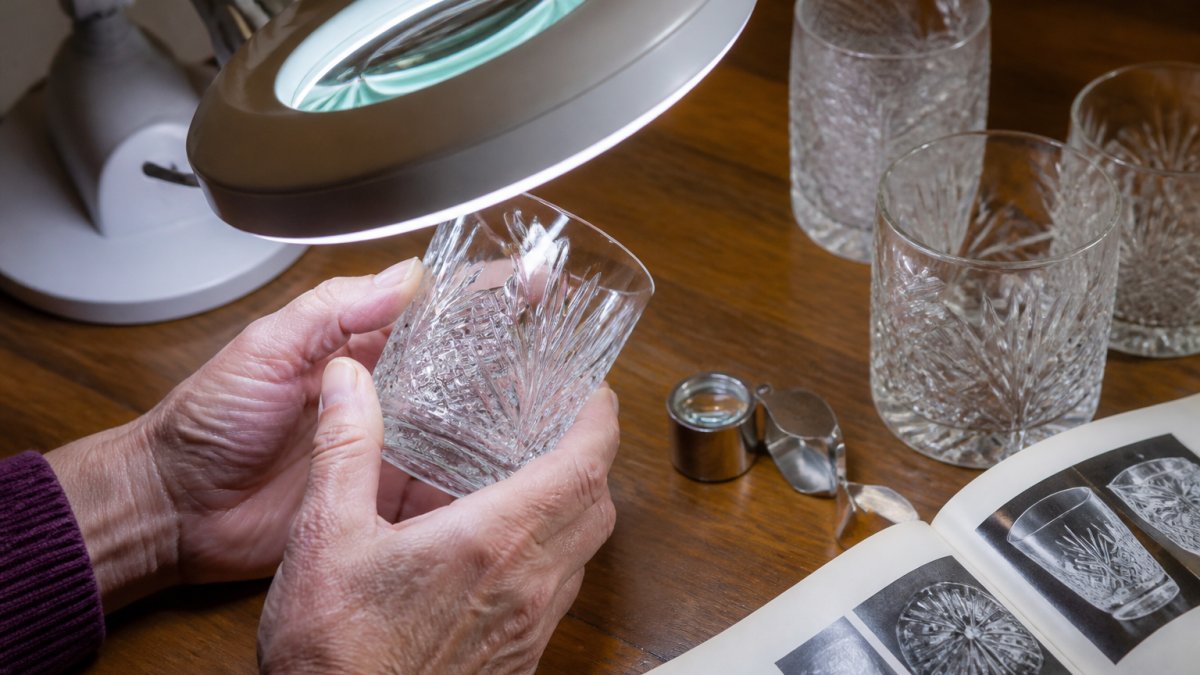
Spotting Georgian, Art Deco, and Mid-Century Pieces
Each era left a distinct fingerprint.
- Georgian (roughly 1714-1837): heavy lead glass, hand-blown, often with a folded foot and a slightly uneven rim. Pontil marks on the base are common.
- Art Deco (1920s-1930s): bold geometric cuts, stepped shapes, and contrasting colors. Cocktail and barware sets dominate this period.
- Mid-century (1940s-1970s): clean lines, colored glass, and pattern names stamped or etched on the base. This is the most collected era for everyday drinkware.
A common mistake is trusting a paper label over the glass itself. Labels fall off, get replaced, and get faked. Learn the glass, not the sticker.
Collectible Glassware Value: What Actually Drives Price
Collectible glassware value comes down to four factors: rarity, condition, collector demand, and provenance.
Rarity is the easiest factor to misjudge. "Limited edition" and "event-specific" pieces often carry a premium, but only within the community that cares about that event.
Condition matters more than most new buyers expect. A hairline crack can cut value dramatically, and chips on a rim are often fatal to resale.
Demand is the factor beginners ignore. Rarity without a buyer pool is a museum piece, not an investment.
Provenance adds a premium when it is documented and verifiable.
Corning Museum of Glass on identifying and caring for glass is a useful reference for understanding how different glass types age and what damage looks like up close.
Comparable Sales and Authentication Checks
Comparable sales are the backbone of any value assessment. Search completed and sold listings for the same pattern, maker, and size, then look at what actually sold rather than what sellers are asking. Asking prices tell you nothing; sold prices tell you everything.
A workable valuation process looks like this:
- Identify the maker, pattern, and approximate production date using a reference source.
- Pull at least five to ten completed sales of the same pattern and size, ideally within the last 12 months.
- Discard outliers on both ends, such as a single bidding war or a damaged piece sold as a lot.
- Adjust for condition differences between your piece and the sold examples.
- Subtract selling fees, payment processing, and safe packing and shipping cost to get a realistic net figure.
- Compare that net figure to your purchase price plus any restoration or cleaning cost.
A common pattern is that the gross sold price looks attractive while the net after fees and shipping is far lower. Treat the net number as the only number that matters.
Authentication checks to run before you buy:
- Check the base for a maker's mark, etched signature, or mold seam
- Compare weight and thickness against known examples of the pattern
- Look for color that is too uniform or too bright for the stated era
- Inspect for modern mold lines that would not exist on hand-blown glass
- Confirm any "silver banding" is actually silver and not plated base metal
- Compare the piece against documented reproductions of the same pattern, which are often cataloged by collector groups
Condition Grading, Damage Detection, and Restoration Risks
Condition grading is where most deals are won or lost, and it is the step beginners skip. Grade every piece before you buy, using a consistent scale so you can compare across purchases.
| Grade | What It Means | Resale Impact |
|---|---|---|
| Mint | No chips, cracks, or wear | Full market value |
| Excellent | Minor base wear only | Slight discount |
| Good | Small flea bites or light scratches | Noticeable discount |
| Fair | Chips, hairlines, or cloudiness | Deep discount, slow sale |
| Poor | Cracks, missing parts, heavy damage | Display value only |
Damage detection takes practice. Hold the piece up to a strong light and rotate it slowly. Hairlines show up as a faint line that catches the light. Run a fingernail gently around every rim; a chip will catch even when your eye misses it.
Restoration is a trap more often than a rescue. Polishing out scratches can remove original cutting. Re-gluing a handle rarely looks right and always shows under light. In most cases, restoration lowers value for serious collectors rather than raising it. Buy clean pieces or buy cheap, but do not buy damaged pieces expecting to fix them profitably.
Selling Vintage Glassware: Liquidity, Fees, and Realistic Returns
Selling vintage glassware is slower and more expensive than most buyers expect, and this is the part of the market that separates a real investment from a hopeful purchase. The honest framing is that collectible drinkware is an illiquid asset.
Fees eat into returns more than the sticker price suggests. Online marketplaces typically take a percentage of the sale, payment processors take another cut, and shipping glass safely requires real packaging cost.
Realistic returns come from buying well, not from selling cleverly. The collectors who do well consistently buy below market, hold pieces that fit a specific niche, and sell into an audience that already wants what they have.
Liquidity also depends on how you sell. Auction houses can reach serious buyers but charge seller premiums and may take weeks or months to pay out.
U.S. Federal Trade Commission guidance on online seller disclosures is worth reading if you plan to sell regularly, since disclosure and shipping rules apply to casual sellers too.
Storage, Insurance, and Safe Handling for a Collection
Storage protects value, and value is the whole point. Glass is fragile, and the damage that hurts most is the damage you cause yourself.
- Store pieces upright with padding between them, never stacked rim to rim
- Keep collections out of direct sunlight, which can fade colored glass over time
- Avoid rapid temperature changes, which stress glass and cause cracks
- Use padded shelves and shelf liners rather than bare wood or metal
Insurance is worth considering once a collection has real value. Standard homeowners policies often cap coverage for collectibles, so a separate rider or a specialist policy may be needed. Document everything with photos, receipts, and a written inventory that notes maker, pattern, and condition grade. That documentation is also what you will need for a resale listing later.
Handling matters too. Wash glass by hand in lukewarm water, never in a dishwasher, and never with hot water on cold glass. Dry with a soft cloth rather than letting pieces air dry, which leaves water spots that etch into the surface over time.
Building a Focused Buying Strategy and Budget
A focused buying strategy beats a scattered one almost every time. Pick one era, one pattern family, or one category such as barware or tumblers, and learn it deeply. Specialists pay less for the same piece because they can spot value that generalists miss, and they sell faster because they know exactly who buys what they have.
Set a budget with three buckets:
- Core buys: pieces that fit your focus area and are in excellent condition or better
- Speculative buys: cheap pieces worth a gamble, capped at a small percentage of your budget
- Holding costs: storage, insurance, and shipping supplies, which are easy to forget
A practical due-diligence routine before any purchase:
- Confirm the maker and pattern using a reference source
- Check recent sold prices for the same pattern and size
- Grade the condition yourself and price in any flaws
- Estimate fees, shipping, and packaging cost
- Decide whether the net return justifies the capital and the space
When you cannot find a specific piece locally, our team at Tools, Handbags, and More can help track down items that are not currently in stock through our custom sourcing service, which is useful when you are hunting a particular pattern rather than browsing.
Conclusion: Treating Rare Drinkware as a Collection, Not a Sure Thing
Rare drinkware rewards patience and punishes hype. The collectors who do well treat it as a collection first and an investment second, which keeps their decisions grounded in condition, demand, and real sold prices rather than the hope of a big score.
Frequently Asked Questions
What types of old glassware are worth money?
Pieces with documented provenance, limited-edition runs, and recognizable period styles tend to hold value best. Georgian cut glass, Art Deco barware, and event-specific commemorative tumblers attract steady collector demand. Condition matters as much as age: a chipped 1920s coupe sells for far less than a flawless one. Silver banding, crystal clarity, and signed maker's marks also lift collectible glassware value. Check comparable sales on auction platforms before assuming a piece is rare.
How can you tell if vintage glassware is valuable?
Start with three checks: maker's marks or etched signatures, condition under strong light, and recent comparable sales. Rare find status usually comes from short production runs, not just age. Industrial production pieces from the 1950s are common and inexpensive; hand-finished Georgian glass is not. Look for crystal clarity, even walls, and no cloudiness or scratches. Authentication against reference catalogs separates genuine pieces from reproductions, which is where most new collectors lose money.
What is the best way to sell vintage glassware?
Match the channel to the piece. Common tumblers and mugs move fastest through local marketplaces or estate sales, while rare or signed items do better with specialty auction houses or collector forums. Photograph in natural light, disclose every chip or scratch, and price against recent comparable sales rather than asking prices. Expect seller fees, packing costs, and shipping risk to eat into returns. Liquidity varies widely, so plan to hold pieces for months, not days.
How should collectible drinkware be stored and insured?
Store pieces upright on stable shelving away from direct sunlight, which fades colored glass and weakens some finishes. Use acid-free tissue and padded dividers to prevent rim contact. Keep a written inventory with photos, purchase dates, and prices paid. For insurance, most homeowners policies cap coverage on collectibles, so a scheduled rider or separate policy is often needed. Have high-value pieces appraised every few years and update the policy as market values shift.
Most people who lose money on collectible drinkware lose it by skipping the boring steps: grading condition, checking comparable sales, and accounting for fees. Tools, Handbags, and More helps collectors and everyday shoppers find specific items through our custom sourcing service and our broad product catalog, so you spend less time chasing pieces and more time building a collection that holds its value. Get started with Tools, Handbags, and More and find the pieces you have been looking for.