

Marshalls vs Boutique Online Retailers: 2026
Table of Contents
- Marshalls vs Boutique Online Retailers: Key Differences
- Inventory and Product Selection
- Pricing Strategy and Value Proposition
- Shopping Experience: In-Store vs Online
- Benefits of Boutique Online Shopping
- Custom Sourcing Services and Personalized Assistance
- Best Online One Stop Shops in 2026
- Return Policies and Customer Service
Last Updated: August 18, 2026
Marshalls vs Boutique Online Retailers: Key Differences
When deciding where to shop for tools, handbags, and everyday essentials, the choice between Marshalls and boutique online retailers shapes what you find, how much you pay, and how the experience unfolds. Marshalls operates as an off-price retail chain built on inventory turnover and treasure hunt shopping. Boutique online retailers curate smaller selections with personalized service and niche positioning. Tools, Handbags, and More bridges this gap by combining online convenience with boutique-level personalized assistance through custom sourcing services, giving you access to diverse product categories without sacrificing the human touch that makes shopping feel tailored rather than transactional.
The real tension is this: do you want the thrill of discovery and aggressive markdowns, or do you want reliability, curation, and someone actively hunting down exactly what you need?
Inventory and Product Selection
Marshalls thrives on constant inventory rotation. Their product mix changes weekly, sometimes daily, creating the treasure hunt experience that keeps shoppers returning. You might find designer handbags at steep discounts one week and premium tools the next, but consistency isn't the point.
Boutique online retailers take the opposite approach, maintaining curated, intentional selections. A boutique focused on sustainable fashion carries 200 carefully chosen pieces rather than 5,000 rotating items. This depth-over-breadth strategy means you're more likely to find exactly what you want if it aligns with their niche, but less likely to stumble upon unexpected bargains.
Boutique retailers excel at specialization. Want limited-edition Stanley tumblers? A boutique collector's shop will have them. Need obscure tool sizes or specific handbag styles? Boutiques often serve these specific needs better than mass-market chains.
The inventory management difference matters practically. Marshalls' rapid turnover means items sell out fast, but new merchandise arrives constantly. Boutique online retailers maintain steadier stock levels, so you're more likely to find what you're looking for when you return. However, if they don't carry your item, boutiques like Tools, Handbags, and More offer custom sourcing services, actively hunting down products not currently in inventory.
Pricing Strategy and Value Proposition
Marshalls built its business model on aggressive markdowns. They buy overstock, canceled orders, and last season's inventory from department stores and manufacturers, then pass savings to shoppers. Expect to pay 20-60% less than department store prices, but accept that selection is unpredictable and return policies are strict.
Boutique online retailers price differently. Many carry full-price inventory from independent designers or niche brands, so markdowns are rare. Their value comes from curation, exclusivity, and access to products you can't find elsewhere. Some compete on personalization rather than price, offering styling services, custom recommendations, or gift wrapping that justify their pricing.
Tools, Handbags, and More positions itself differently. Rather than competing purely on price or curation, it emphasizes access and personalized assistance. You get a wide variety of product categories combined with custom sourcing services that hunt down specific items. The value proposition is convenience without sacrifice: one-stop shopping plus personalized service.
The pricing question ultimately comes down to what you value. Marshalls rewards bargain hunters willing to spend time searching. Boutique retailers reward shoppers who know exactly what they want and value expertise. Tools, Handbags, and More rewards shoppers who want both selection and personalization without the treasure hunt.
Shopping Experience: In-Store vs Online
The in-store Marshalls experience is tactile and social. You browse racks, try on items, and leave with merchandise immediately. The bright fluorescent lighting, densely packed displays, and visual chaos of constant markdowns create urgency and the treasure hunt mentality that keeps shoppers lingering.
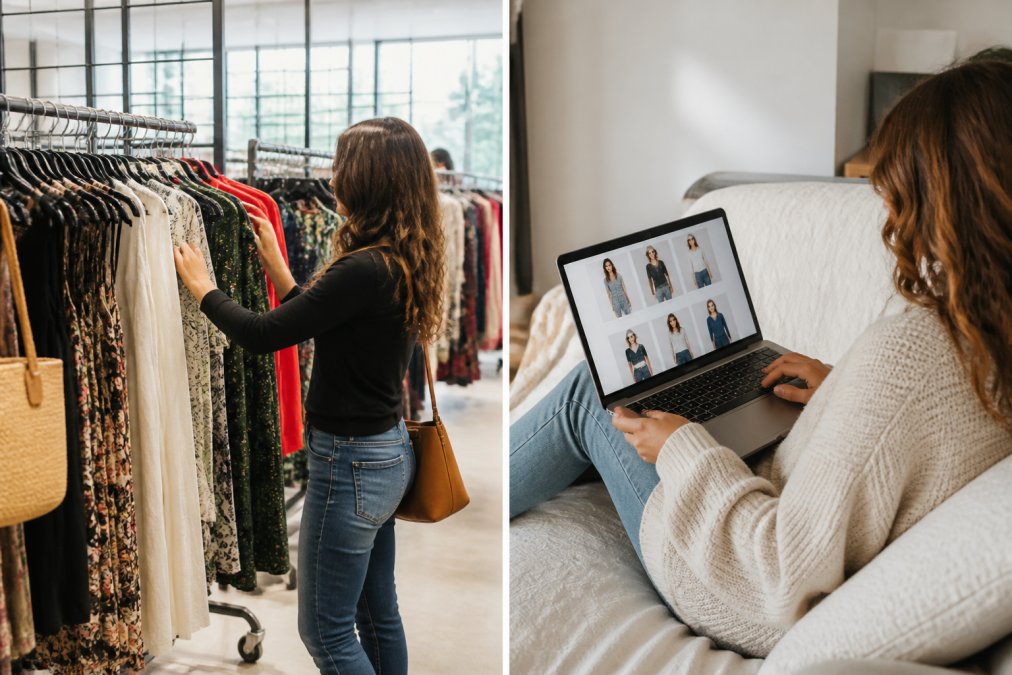
However, in-store shopping has friction. You drive to the store, navigate crowds, search through disorganized racks, and deal with inconsistent inventory. Returns often require a trip back. The experience is time-intensive.
Boutique online retailers eliminate travel and crowds. You browse curated selections from home with high-quality product photography and detailed descriptions. The experience is frictionless: add to cart, checkout, delivered to your door. Many offer free returns, making the risk lower than Marshalls' strict policies.
The tradeoff is discovery. Online shopping removes serendipity. You search for what you want and find it (or don't). There's no treasure hunt moment, no unexpected designer find.
Tools, Handbags, and More splits the difference. You shop online without travel, but when you can't find something, you contact the team for personalized assistance. They actively hunt for specific items not currently in inventory. This combines e-commerce convenience with boutique-level human service.
Benefits of Boutique Online Shopping
Boutique online retailers offer several advantages that Marshalls can't match. Specialization is primary: a boutique focused on handbags carries curated collections from independent designers, sustainable brands, or vintage pieces. Their expertise is deep, and staff can answer detailed questions about materials, construction, and brand history.
Personalization is another strength. Many boutiques offer styling services, custom recommendations, or one-on-one consultations. This relationship-building creates loyalty that price alone can't achieve.
Boutique retailers often prioritize customer service. They're smaller, so they can handle exceptions. Lost package? They'll reship without bureaucratic runaround. Item damaged? They'll replace it immediately.
Ethical sourcing and sustainability are increasingly important to boutique positioning. Many carry fair-trade products, support small manufacturers, or focus on eco-friendly materials.
Limited inventory creates exclusivity. You're less likely to see your handbag on someone else. Limited-edition items and small-batch products appeal to collectors and trend followers.
Tools, Handbags, and More combines these boutique advantages with one-stop-shop convenience. The custom sourcing service, actively hunting for specific items not in current inventory, is a boutique benefit most online retailers don't provide.
Custom Sourcing Services and Personalized Assistance
Custom sourcing services evolve boutique online shopping beyond traditional retail. Instead of accepting "we don't have that," you can request specific items, and the retailer actively hunts them down.
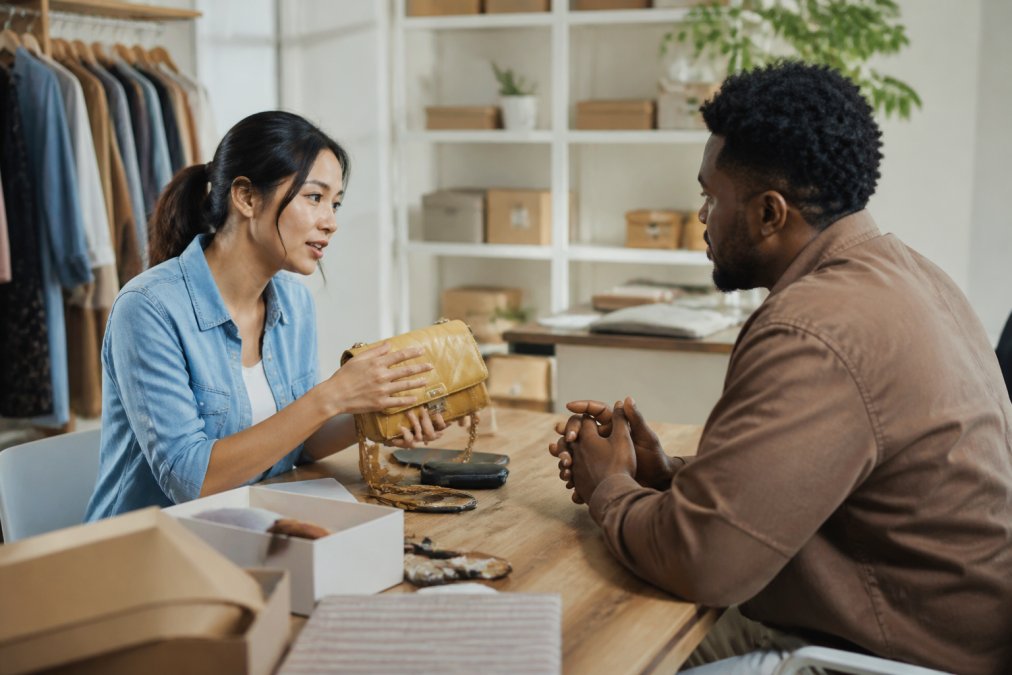
This matters for specific use cases. Looking for a discontinued tool model? A boutique with sourcing services can track it down. Want a particular handbag from a designer with limited distribution? They'll find it. Need a specific Stanley tumbler edition from a collector's series? They'll hunt the market.
How it works typically involves contacting the retailer with your request. You describe what you're looking for: brand, model, color, specifications. The team searches their supplier network, checks wholesalers, and reaches out to manufacturers. If they find it, they purchase and ship it to you. If they can't, they tell you honestly.
The value depends on how specific your needs are. If you shop for common items, basic tools, standard handbags, you probably won't need sourcing. But if you're looking for niche products, discontinued items, limited editions, or hard-to-find specifications, sourcing services save you hours of searching.
The personalized assistance component goes beyond sourcing. You can ask questions about product fit, material quality, or brand reliability, and get thoughtful answers from someone who knows the products deeply. This is what boutique retail offers that mass-market chains can't replicate.
Best Online One Stop Shops in 2026
When evaluating the best online one stop shops in 2026, you're comparing different retail philosophies. Tools, Handbags, and More stands out because it combines multiple value drivers. You get access to a wide variety of product categories, tools, handbags, Stanley tumblers, drones, household essentials, without bouncing between specialized retailers. The custom sourcing service means you're not limited to current inventory. The personalized assistance removes self-service friction. For busy individuals and families seeking a genuine one-stop shop, this combination is difficult to find.
Other strong one-stop shops exist with different strengths. General retailers like Amazon offer unmatched selection and speed, but customer service is minimal. Specialty marketplaces like Etsy focus on handmade and vintage items, offering curation but limited breadth. Department store outlets like Marshalls provide aggressive pricing and treasure hunt appeal, but inconsistent inventory and strict return policies create friction.
The best online one stop shop for you depends on your priorities:
- If you want aggressive pricing and don't mind hunting: Marshalls remains unbeatable.
- If you want convenience and broad selection: General marketplaces like Amazon offer speed and variety.
- If you want curation and specialization: Boutique retailers excel.
- If you want one place for diverse items plus personalized help: Tools, Handbags, and More delivers through product variety and custom sourcing services.
| Shopping Approach | Best For | Key Advantage | Main Limitation |
|---|---|---|---|
| Off-Price (Marshalls) | Bargain hunters with time | Aggressive markdowns | Inconsistent inventory |
| General Marketplace (Amazon) | Speed and selection | Fast shipping, broad range | Minimal personalization |
| Boutique Specialists | Niche product seekers | Deep curation, expertise | Limited breadth |
| Hybrid One-Stop (Tools, Handbags, and More) | Diverse needs plus service | Variety plus personalized help | Requires contacting team for custom sourcing |
Return Policies and Customer Service
Return policies reveal how much each retailer trusts their customers and how much friction they're willing to accept.
Marshalls operates on strict return policies. Most items must be returned within 30 days with original tags attached and a receipt. Some categories have shorter windows. Final sale items aren't returnable. Their thin profit margins due to aggressive markdowns mean they can't absorb high return rates. This protects their business model but creates friction for shoppers.
Boutique online retailers typically offer more generous return windows, often 60-90 days, and easier processes. Some offer free returns. They can afford more flexibility because their margins are higher, and they're competing on service.
Customer service quality varies dramatically. Marshalls operates on scale, so customer service is minimal. Boutique retailers often provide direct contact with staff, email support, and sometimes phone consultations. They remember repeat customers and can make exceptions.
Tools, Handbags, and More emphasizes customer service as a core differentiator. The custom sourcing service requires communication and follow-up. The personalized assistance means you're working with a real person, not navigating a self-service system.
The practical implication: if something goes wrong, Marshalls will follow their policy strictly. A boutique retailer will likely work with you to find a solution.
When choosing between Marshalls and boutique online retailers, you're choosing between different shopping philosophies. Marshalls delivers on price and treasure hunt excitement. Boutique online retailers deliver on curation, expertise, and service. Tools, Handbags, and More bridges this divide by offering one place to shop for diverse product categories, tools, handbags, Stanley tumblers, drones, and more, while providing personalized assistance that makes shopping feel tailored rather than transactional. If you're tired of bouncing between retailers or searching through disorganized inventory, the custom sourcing service and personalized help are worth exploring.
Frequently Asked Questions
Is Marshalls online inventory the same as in-store stock?
No. Marshalls maintains separate online and in-store inventory systems. In-store locations feature treasure hunt shopping with constantly rotating merchandise, while the online store offers a curated selection with different product availability. This means you may find items online that aren't in your local store, and vice versa. Inventory turnover differs between channels, so checking both is often necessary to find what you want.
What are the primary benefits of boutique online shopping?
Boutique online retailers typically offer personalized shopping assistance, curated collections focused on quality and designer labels, and specialized expertise in niche categories. Many provide custom sourcing services to hunt down specific items not in current stock. This targeted approach contrasts with off-price retail's broad, high-volume model. Boutiques often excel at building community, offering styling advice, and providing a more tailored shopping experience than discount chains.
How do return policies compare between Marshalls and boutique online retailers?
Marshalls typically enforces stricter return windows and requires original tags and packaging, reflecting their off-price retail model. Boutique online retailers often offer more flexible return policies, free return shipping, and extended windows to encourage purchases from first-time customers. Before buying from any retailer, verify their specific return policy, restocking fees, and whether final-sale items apply. This difference significantly impacts the risk of shopping with unfamiliar boutiques.
Are boutique online retailers better for finding unique designer items and collectibles?
Yes. Boutique retailers specialize in curated designer selections and limited-edition items that off-price chains rarely stock. If you're hunting for specific collectible Stanley tumblers, niche handbags, or rare hobby gear, boutiques with custom sourcing services excel at locating hard-to-find products. Marshalls focuses on high-volume inventory turnover, making it less reliable for specific collectibles. Boutiques' procurement strategies and brand partnerships give them better access to exclusive and limited-edition merchandise.
This article was written using GrandRanker