

Where to Find Rare Collectibles in 2026
Table of Contents
- Where to Find Rare Collectibles: The 2026 Landscape
- Best Online Marketplaces for Rare Collectibles
- How to Verify Collectible Authenticity
- Rare Item Sourcing Services That Deliver Results
- Limited Edition Tumbler Sourcing and Market Trends
- Investment-Grade Collectibles Set to Appreciate
- Tax and Legal Implications of High-Value Collecting
- Conclusion
- Frequently Asked Questions
Last Updated: September 3, 2026
Where to Find Rare Collectibles: The 2026 Landscape
Finding rare collectibles in 2026 requires knowing where to look and how to verify what you find. The market for rare collectibles has expanded dramatically, with both digital and physical channels offering access to items that were once difficult to locate. Whether you're hunting for vintage glassware, limited-edition collectibles, or investment-grade pieces, the sourcing landscape has fundamentally changed.
At Tools, Handbags, and More, we understand that collectors often face a core challenge: traditional retail doesn't stock rare items, and generic marketplaces mix authentic treasures with counterfeits. The real opportunity lies in knowing which channels deliver genuine rare collectibles and which ones waste your time. Below, we'll show you exactly how to source rare collectibles effectively, authenticate what you find, and navigate the legal and tax considerations that come with serious collecting.
The collectibles market has matured considerably. Collectors today have access to specialized platforms, expert sourcing services, and authentication tools that didn't exist five years ago. But more options also mean more complexity. The difference between a smart acquisition and a costly mistake often comes down to where you source and how thoroughly you verify authenticity before committing.
Best Online Marketplaces for Rare Collectibles
The most reliable sources for rare collectibles fall into three categories: specialized auction platforms, niche marketplaces, and dedicated collector communities. Each serves a different collecting style.
Specialized Auction Houses remain the gold standard for provenance and authentication. Platforms like Heritage Auctions and Sotheby's have expanded their online presence significantly, making high-value items accessible to remote bidders. These sites handle authentication internally and provide detailed condition reports. The trade-off is that auction houses charge buyer's premiums, typically 15-25% above the hammer price. For investment-grade collectibles where authenticity is non-negotiable, this cost is often justified.
Niche Marketplaces cater to specific collecting categories. Mercari and Etsy host thousands of vintage and rare items, though quality control varies by seller. WhatNot has emerged as a live-auction platform where collectors can watch items being presented in real-time and ask questions before bidding. The advantage here is direct interaction with sellers. The disadvantage is that these platforms shift authentication responsibility to the buyer.
Collector Communities like Reddit's collecting subreddits and Facebook groups dedicated to specific categories offer peer-to-peer transactions. These communities often have experienced members who can spot fakes and provide honest feedback on pricing. However, there's no escrow protection or dispute resolution mechanism. You're relying entirely on reputation and trust.
Tools, Handbags, and More offers a custom sourcing service for collectors searching for specific items not currently in stock. If you know exactly what you're looking for, a particular vintage collectible, a limited-edition item, or a hard-to-find piece, our team can actively hunt it down rather than leaving you to browse generic listings. This personalized approach works particularly well for collectors with specific provenance or condition requirements.
How to Verify Collectible Authenticity
Authentication is where casual collecting and serious investing diverge. A single verification mistake can cost thousands.
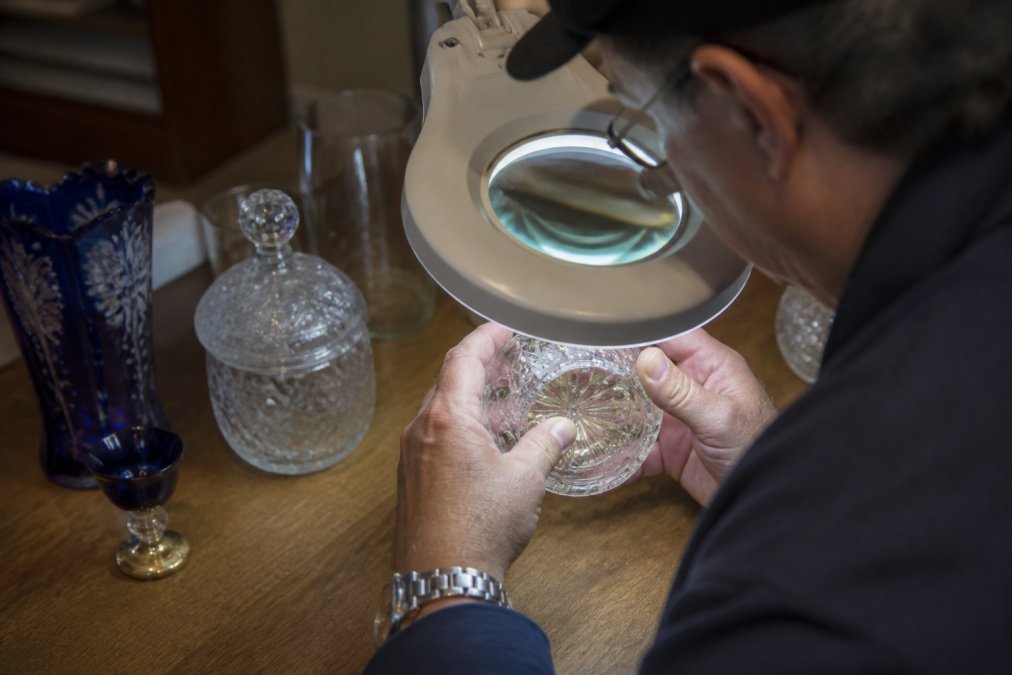
Start with visual inspection. Examine manufacturing marks, signatures, serial numbers, and material composition. Authentic rare collectibles show consistent wear patterns appropriate to their age. Fakes often have uniform wear or marks that appear too perfect. For vintage glassware like the Vintage Fenton Opalescent Ruffled Hobnail Dish available through our catalog, check for the manufacturer's mark on the base and verify the glass weight and clarity match documented examples.

Cross-reference with authentication databases. Most collectible categories have reference guides or online databases maintained by collector organizations. Comic book grading uses the Certified Guaranty Company (CGC) database. Trading cards rely on PSA (Professional Sports Authenticators) records. Vintage items often have authentication guides published by the manufacturer or collector associations. These resources are free and should be your first verification step.
Request condition reports and provenance documentation. For investment-grade collectibles, insist on written condition assessments that detail any damage, restoration, or modifications. Provenance, the documented ownership history, adds significant value and confidence. A piece with clear provenance commands a premium because its authenticity is already established through previous ownership records.
Use third-party grading services for high-value items. Services like PSA, CGC, and Sotheby's offer professional authentication and grading. This costs money upfront (typically $20-100 per item depending on value) but protects you against costly authentication disputes later. For items worth more than $500, professional grading is standard practice in the collecting community.
Verify seller reputation systematically. Check feedback scores across multiple platforms where the seller operates. Reputable dealers maintain consistent ratings across eBay, Mercari, WhatNot, and their own websites. A seller with 99% positive feedback on eBay but no history elsewhere should raise questions. Cross-reference reviews on independent platforms like Trustpilot when available.
Rare Item Sourcing Services That Deliver Results
Dedicated sourcing services have become essential for serious collectors. These services maintain networks of dealers, estate sale companies, and private collectors, giving them first access to items before they hit public marketplaces.
How sourcing services work: You describe the collectible you're seeking, the specific model, year, condition range, and price target. The service's network searches estate sales, auctions, dealer inventories, and private collections. When a match surfaces, they negotiate on your behalf, verify authenticity, and handle logistics. This saves you dozens of hours scrolling through listings and filters out obvious fakes before they reach you.
The cost structure varies. Some services charge a flat fee per search ($50-150). Others take a commission on successful purchases (typically 10-15%). A few operate on membership models, charging monthly fees ($30-100) for unlimited searches. The economics favor membership if you're sourcing multiple items per year.
Quality varies significantly. The best sourcing services employ staff with genuine expertise in their category. They can spot a reproduction at a glance and negotiate fair prices based on actual market data. Mediocre services simply post your request to a network and hope someone responds. When evaluating a sourcing service, ask for references from previous clients and examples of items they've successfully sourced.
Tools, Handbags, and More's custom sourcing service works differently than typical commission-based services. We actively hunt for items you specify, using our diverse supplier network and market connections. Rather than waiting for matches to appear, we pursue acquisition actively. This is particularly valuable for collectors seeking specific vintage items or limited-edition pieces where timing matters.
Limited Edition Tumbler Sourcing and Market Trends
Limited-edition Stanley tumblers represent a specific case study in modern collectibles. These items combine functional appeal with genuine scarcity, creating strong demand among both collectors and everyday users.
The Stanley tumbler market exploded in 2024-2025 when specific color releases sold out within hours of launch. Secondary market prices for rare colorways have reached $300-500 for tumblers that retailed at $45. This created a sourcing challenge: where do you find these items once they're officially discontinued?
Primary sources for limited editions include Stanley's official website during initial releases, authorized retailers like Dick's Sporting Goods and Target, and specialty outdoor retailers. Serious collectors monitor release schedules and set alerts for new drops. The challenge is that popular releases sell out in minutes, often before most collectors even see the announcement.
Secondary market sourcing requires patience and strategy. WhatNot hosts live auctions where collectors sell rare Stanley colorways. Facebook groups dedicated to Stanley collecting often have members willing to trade or sell duplicates. Mercari and eBay list these items constantly, though prices vary wildly based on rarity and condition.
Authentication matters even for modern collectibles. Counterfeit Stanley tumblers exist, particularly for the most expensive colorways. Authentic tumblers have consistent laser engraving, proper weight distribution, and logos that match official specifications. Fakes often have fuzzy engraving or incorrect color matching.
Tools, Handbags, and More stocks popular Stanley tumblers and can source limited editions through our custom service when specific releases become available. If you're hunting for a particular colorway or retired design, our team can search our supplier network for legitimate inventory.
Investment-Grade Collectibles Set to Appreciate
Not all rare collectibles are created equal from an investment perspective. Certain categories show consistent appreciation, while others depend entirely on trend cycles.
First-edition books and signed copies remain reliable appreciating assets. A first-edition copy of a now-famous author's debut novel typically appreciates 5-15% annually, assuming the book remains in good condition. Authentication and grading are critical, a signed copy in mint condition commands a premium of 200-400% over an unsigned copy.
Vintage sports memorabilia tied to historically significant moments holds value well. Autographed items from Hall of Famers, game-worn jerseys from championship seasons, and trading cards of rookie-year players show consistent appreciation. The key is provenance and condition. A graded rookie card from a legendary player appreciates more reliably than a modern release.
Vintage glassware and collectible dishware from mid-century manufacturers like Fenton and L.E. Smith have appreciated steadily. The L.E Smith Buttons And Stars Basket Vase represents this category, vintage glassware in good condition typically appreciates 3-8% annually as supply diminishes and collector demand grows. These items also have functional appeal, which creates a secondary market beyond pure collectors.

Digital collectibles and NFTs remain speculative and volatile. While some digital assets have appreciated, the category lacks the historical track record of physical collectibles. Most financial advisors treat digital collectibles as speculative rather than stable investments.
Market saturation matters significantly. Collectibles that were mass-produced have limited appreciation potential. Items with genuine scarcity, limited production runs, discontinued lines, or items that deteriorate over time, show stronger long-term appreciation. A collectible produced in quantities of 10,000 units appreciates differently than one produced in 500.
Tax and Legal Implications of High-Value Collecting
High-value collectibles trigger tax and legal considerations most casual collectors overlook. Understanding these implications protects you from unexpected liability.
Capital gains taxes apply to collectible sales. When you sell a collectible for more than you paid, the profit is taxable. Federal tax treatment depends on holding period and collectible type. Most collectibles are taxed as long-term capital gains if held over one year, but the federal rate for collectibles can reach 28%, higher than the standard long-term capital gains rate of 20% (irs.gov). This means a $10,000 profit on a collectible sale could trigger $2,800 in federal taxes.
Documentation requirements are strict. The IRS requires proof of acquisition cost, sale price, and holding period. For high-value items, maintain receipts, photographs, condition reports, and authentication certificates. This documentation becomes critical if you're audited or if the IRS questions the valuation.
Insurance implications are often overlooked. High-value collectibles typically aren't covered under standard homeowner's insurance. You need specialized collectibles insurance that covers the full replacement value. This requires professional appraisals and documentation. For collections exceeding $50,000 in value, insurance becomes a significant ongoing cost.
Reporting requirements vary by transaction type. Sales through auction houses are typically reported to the IRS if they exceed certain thresholds. Private sales have fewer automatic reporting requirements, but you're still legally obligated to report the income. Platforms like eBay and WhatNot issue 1099 forms if your sales exceed $20,000 and 200 transactions in a calendar year (irs.gov).
Estate planning matters for serious collections. If you're building a collection worth significant money, your will should specify how the collection transfers. Without clear documentation, heirs may face substantial taxes on inherited collectibles. Some collectors establish trusts specifically to manage valuable collections and minimize tax burden for heirs.
According to IRS guidance on collectible property, proper documentation and valuation are essential for tax compliance. Consult a tax professional who understands collectibles if your collection exceeds $25,000 in value.
Conclusion
Finding rare collectibles in 2026 means knowing where to search, how to verify what you find, and understanding the financial and legal implications of serious collecting. The marketplace has evolved to offer more channels than ever, specialized auction platforms, niche marketplaces, and dedicated sourcing services all provide legitimate paths to acquisition. The collectors who succeed are those who combine systematic sourcing with rigorous authentication and clear documentation.
Tools, Handbags, and More's custom sourcing service removes the friction from finding specific rare items. Rather than spending hours browsing generic marketplaces, describe the collectible you're seeking and let our team actively hunt for it across our supplier network. Whether you're sourcing vintage glassware, limited-edition items, or investment-grade pieces, our personalized approach delivers results. Get started with Tools, Handbags, and More and discover how our sourcing service transforms how you build your collection.
Frequently Asked Questions
What collectibles will be most sought after in 2026?
First-edition books, graded sports cards in mint condition, vintage pop culture memorabilia, and rare pressings of vinyl records continue to command strong prices. Limited-edition collectibles like Stanley tumblers are gaining traction among younger collectors seeking affordable entry points. Sealed products and items with documented provenance tend to appreciate fastest, particularly those with scarcity and strong collector community demand.
How can I verify the authenticity of rare collectibles online?
Request detailed condition reports, high-resolution photos from multiple angles, and seller history or authentication certificates. Check for grading by recognized authorities in your collectible category. Examine provenance documentation carefully. When buying through rare item sourcing services, ask about their authentication process and guarantees. Reputable sellers provide appraisal documentation and are transparent about any restoration or repairs.
Where is the safest place to buy rare collectibles online?
Established auction houses, specialized marketplaces with buyer protection policies, and retailers offering custom sourcing services with verified track records provide the safest options. Tools, Handbags, and More offers personalized assistance in locating specific items, including rare collectibles like the Vintage Fenton Opalescent Ruffled Hobnail Dish ($85) and L.E Smith Buttons and Stars Basket Vase ($50), with support throughout the acquisition process.
How do custom sourcing services help collectors find rare items?
Sourcing services actively hunt for hard-to-find collectibles across multiple channels, saving you time and expanding access beyond standard inventory. They navigate authentication, condition assessment, and market pricing to ensure fair deals. Services like those offered by Tools, Handbags, and More connect you with specific items not currently in stock, handling the research and verification so you can focus on building your collection with confidence.
This article was written using GrandRanker